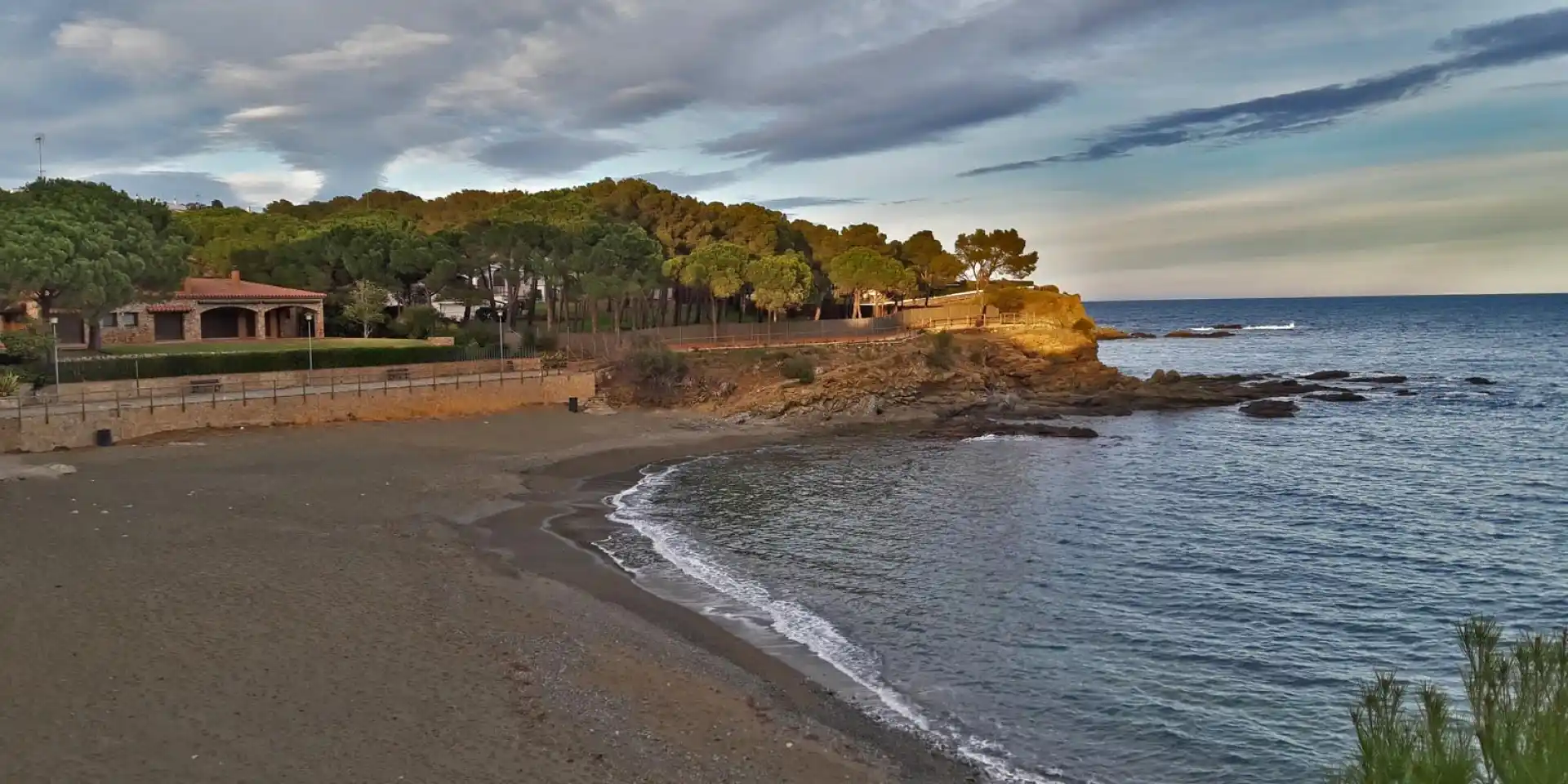
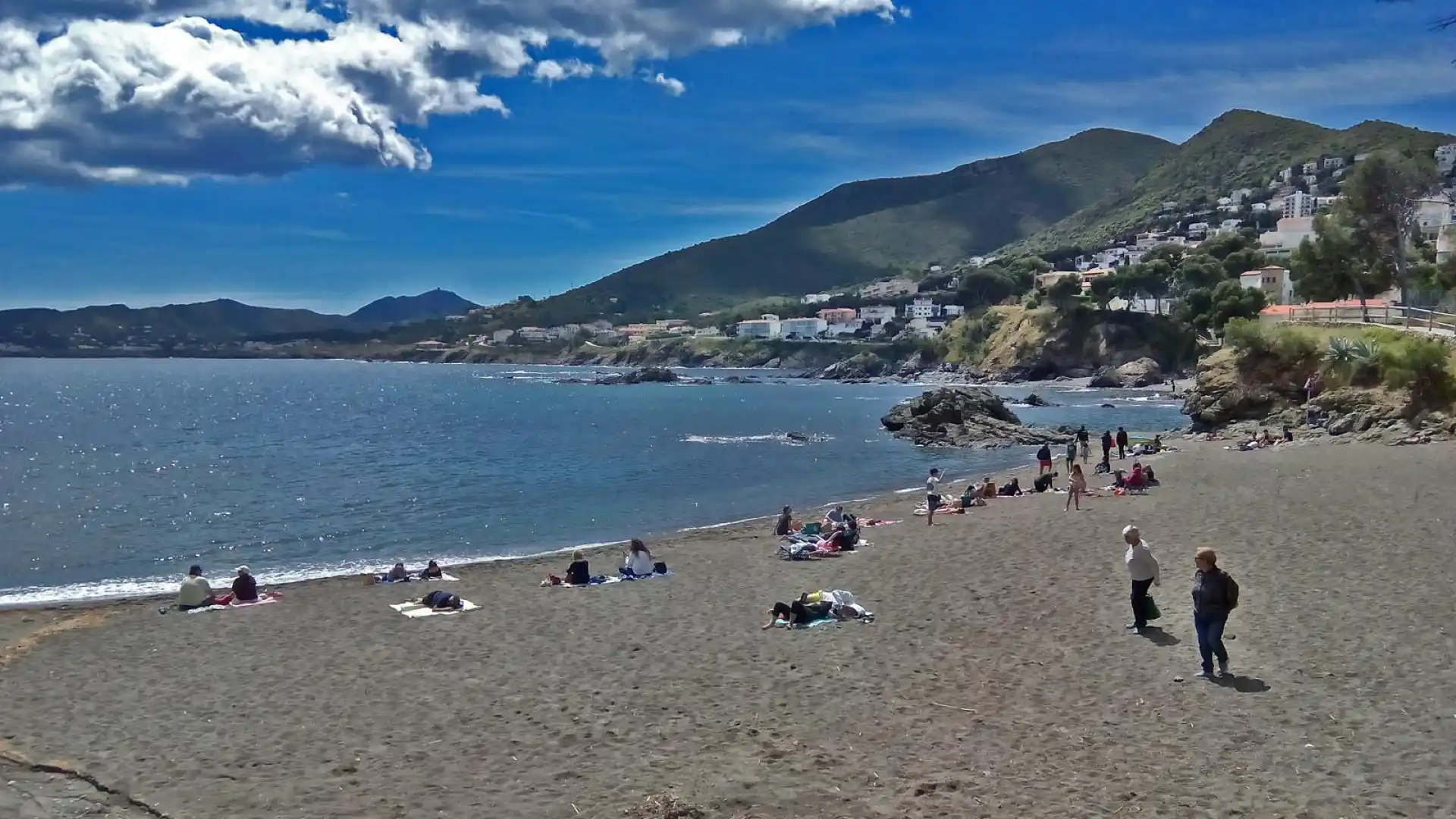
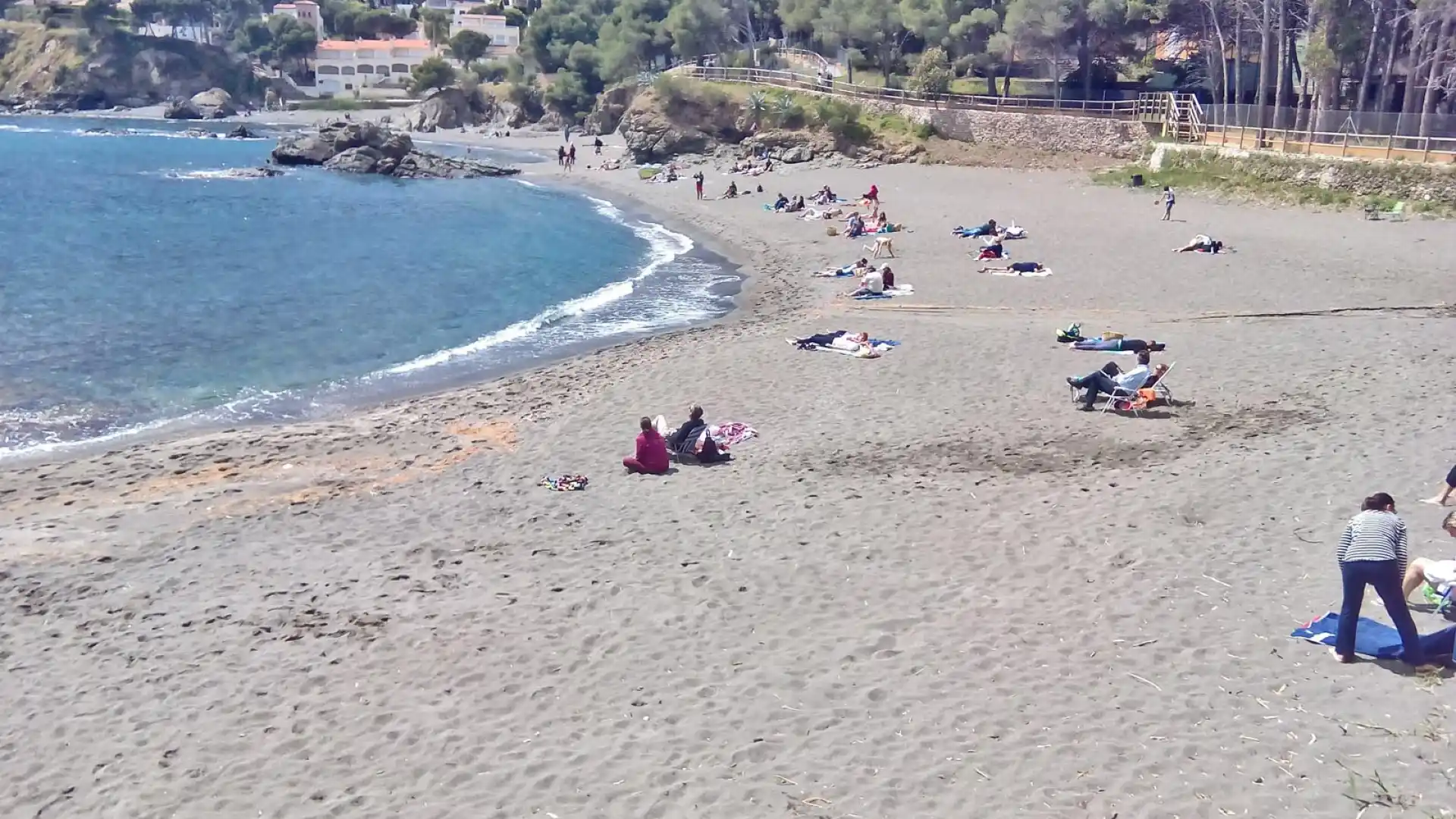
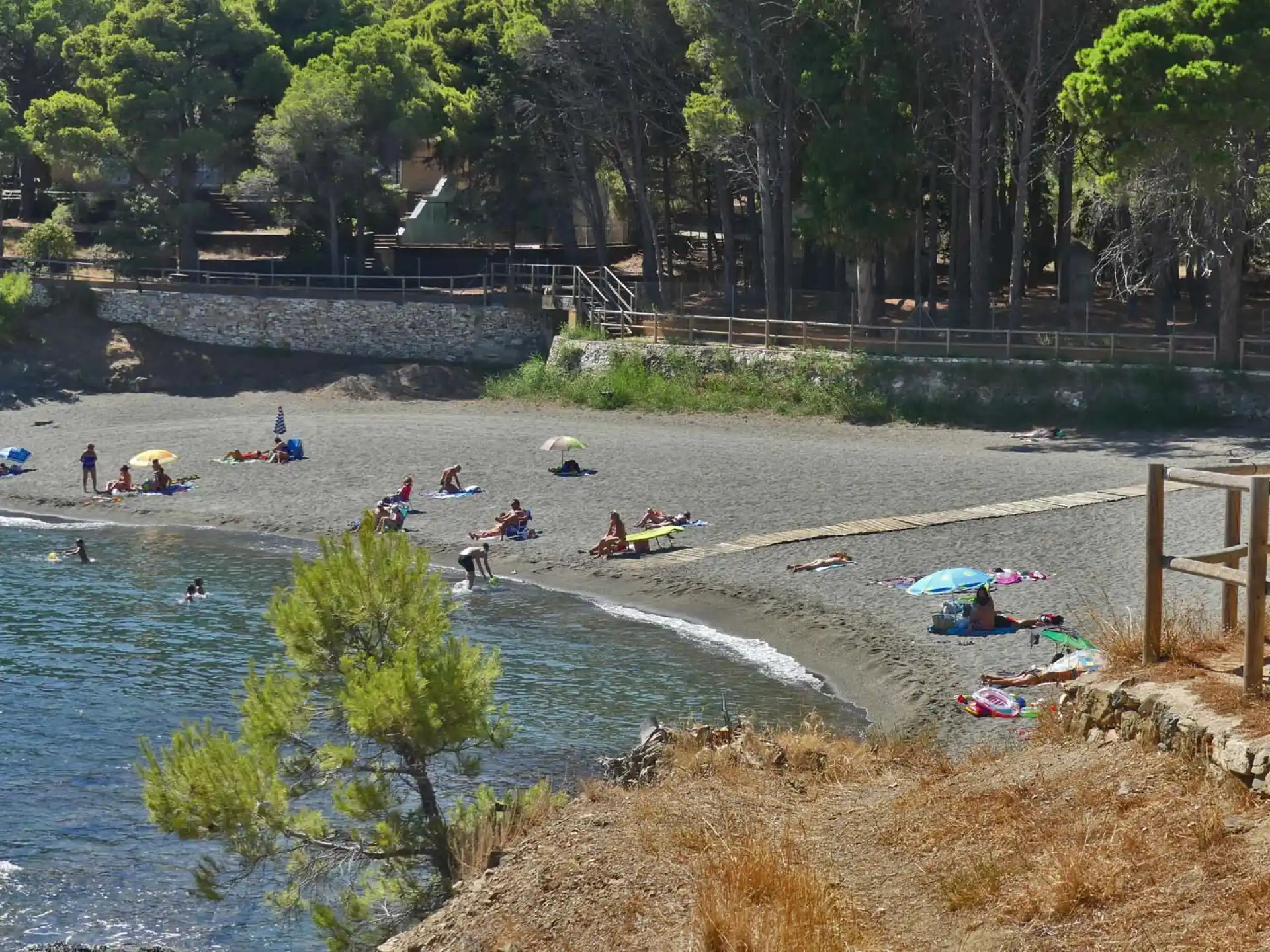
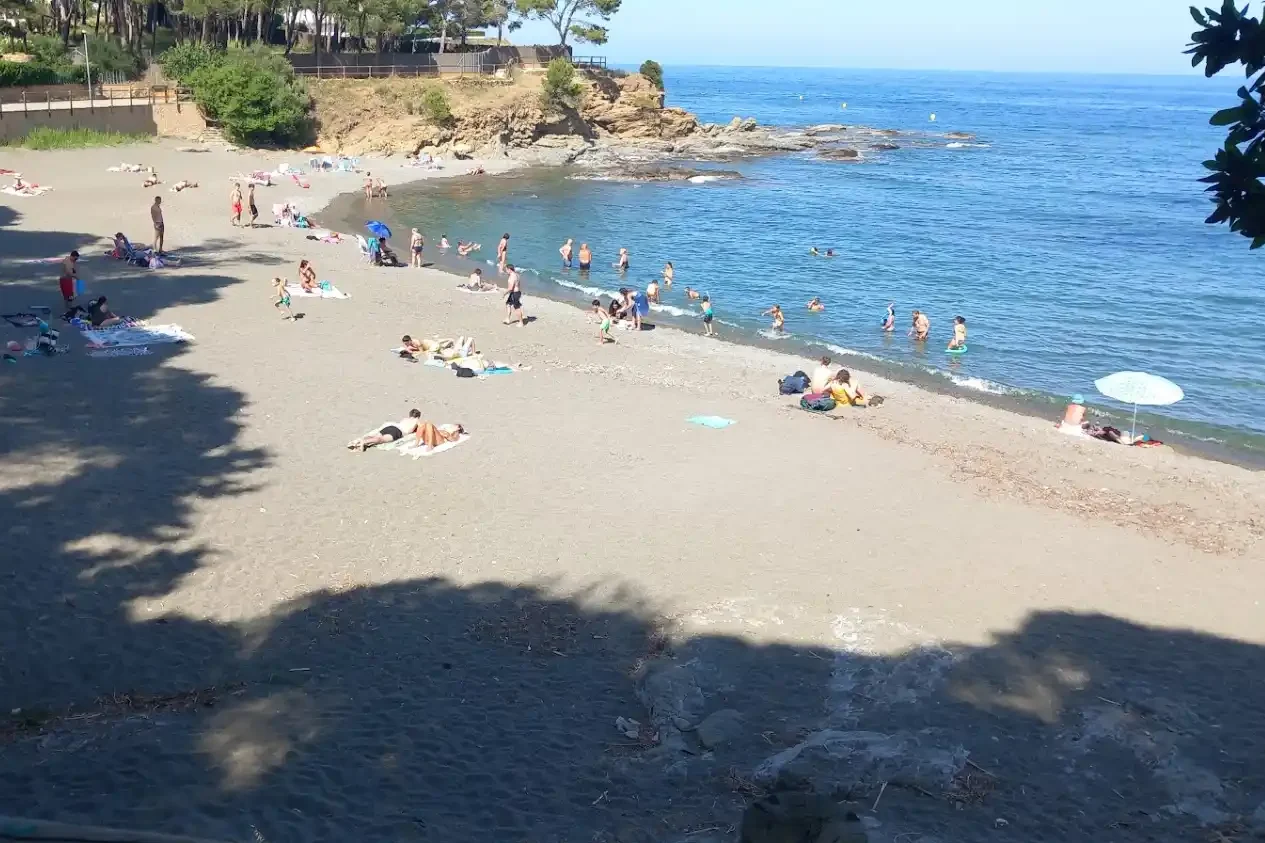
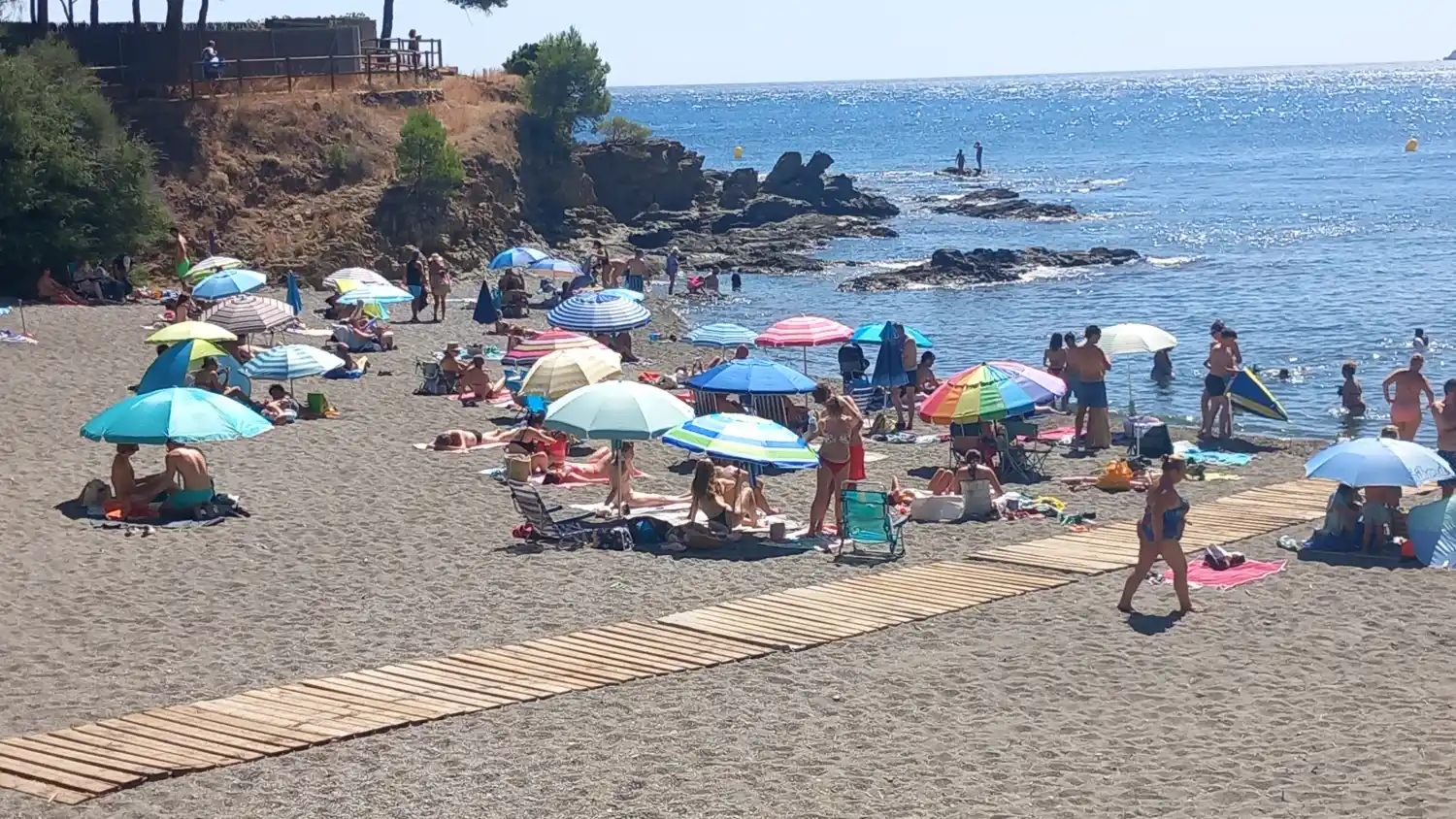
A small, attractive cove on the Costa Brava, known for its relaxed, semi-urban feel and scenic setting. About 260 metres long, it has a mix of coarse sand, gravel, and some rocky areas, with a distinctive U-shaped layout that gives it a slightly sheltered, intimate atmosphere.
For swimming, it is generally a good option. The water entry is described as gentle, making it suitable for most swimmers, and the sea usually has moderate waves. The rocky sections and clear water also make it appealing for snorkelling or casual diving, though you should take care with the stones underfoot. A rock formation divides the beach into two areas, which can help spread swimmers out.
In terms of amenities, the beach is reasonably well equipped. It typically offers showers, toilets, bins, cleaning services, and marked bathing zones, with parking nearby and public transport access. It’s located in a residential area, so it can get quite busy in summer. The beach is also accessible for visitors with reduced mobility.
**This beach is protected from the Tramontana wind, if you want to go to the beach on a windy day this is one of the beaches which is out of the wind.**
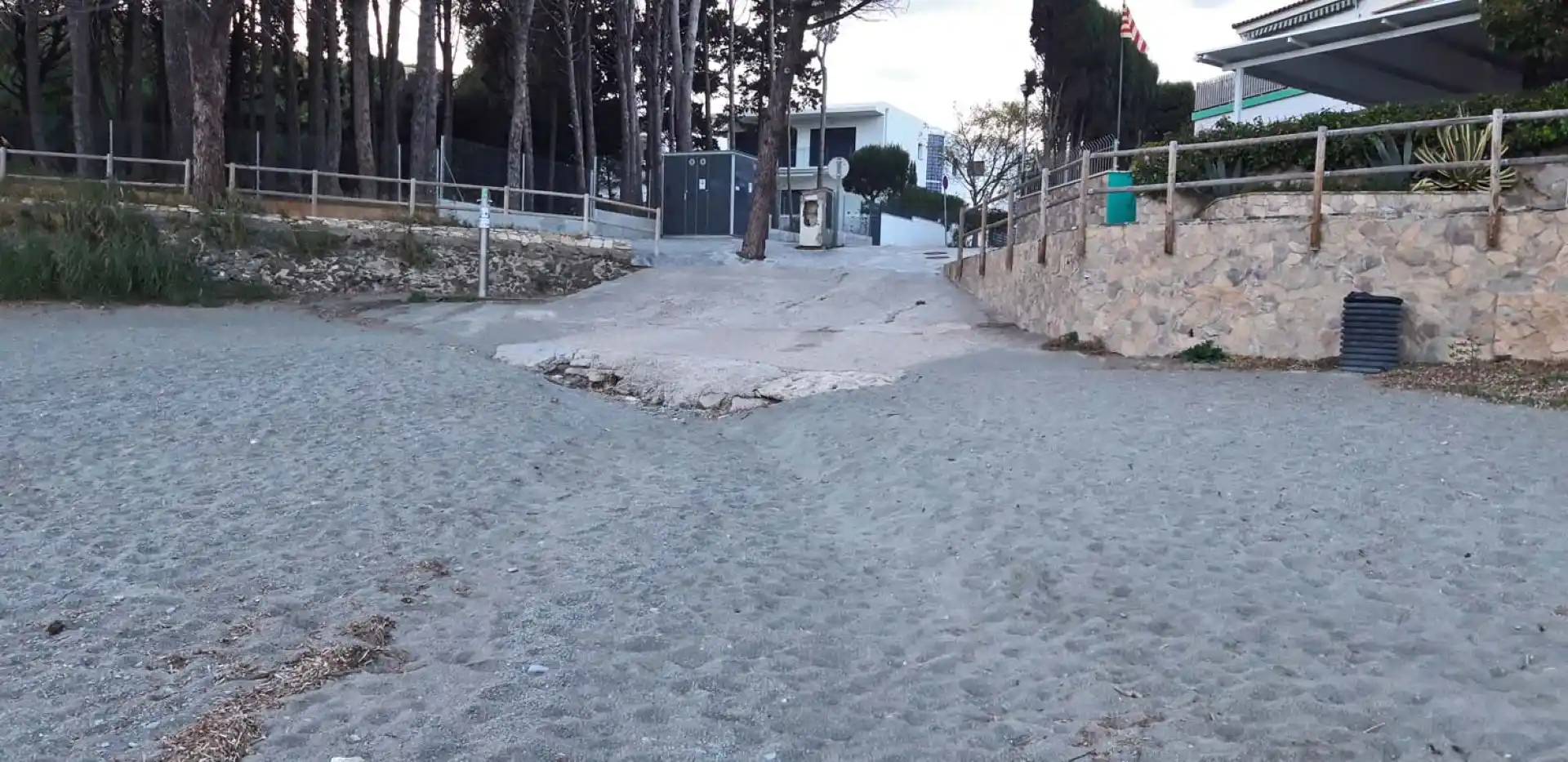
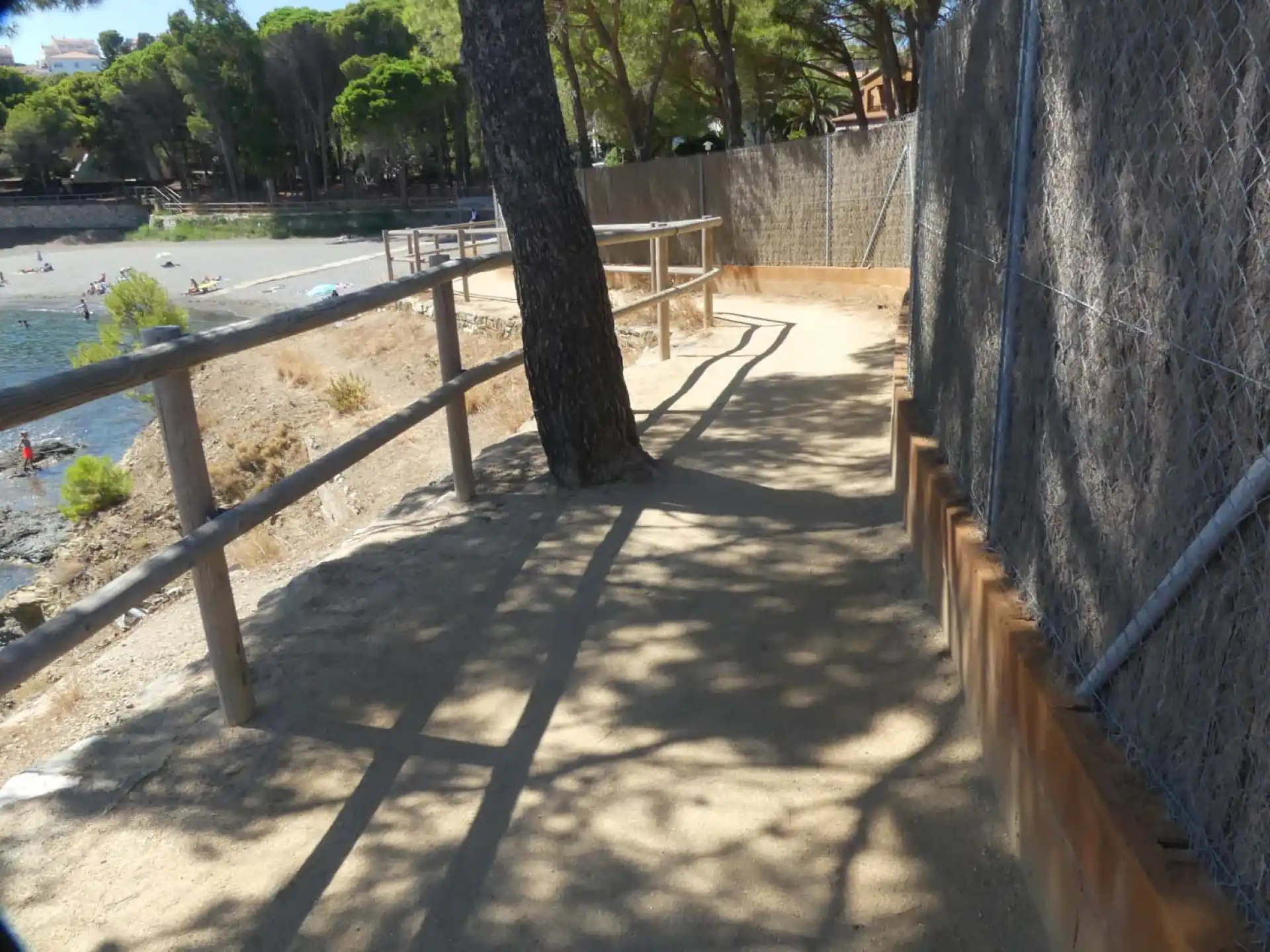
Access is easy overall. You can reach it by car (with parking available) or on foot via the coastal path (Camí de Ronda), which is also a pleasant walk with good views. There is a gentle slope to actually get on to the beach so access is very easy which makes this beach very popular.
The beach is also known for its historical connection to traditional fishing, with its name originating from the lights used by fishermen, known as “farells”.